2025
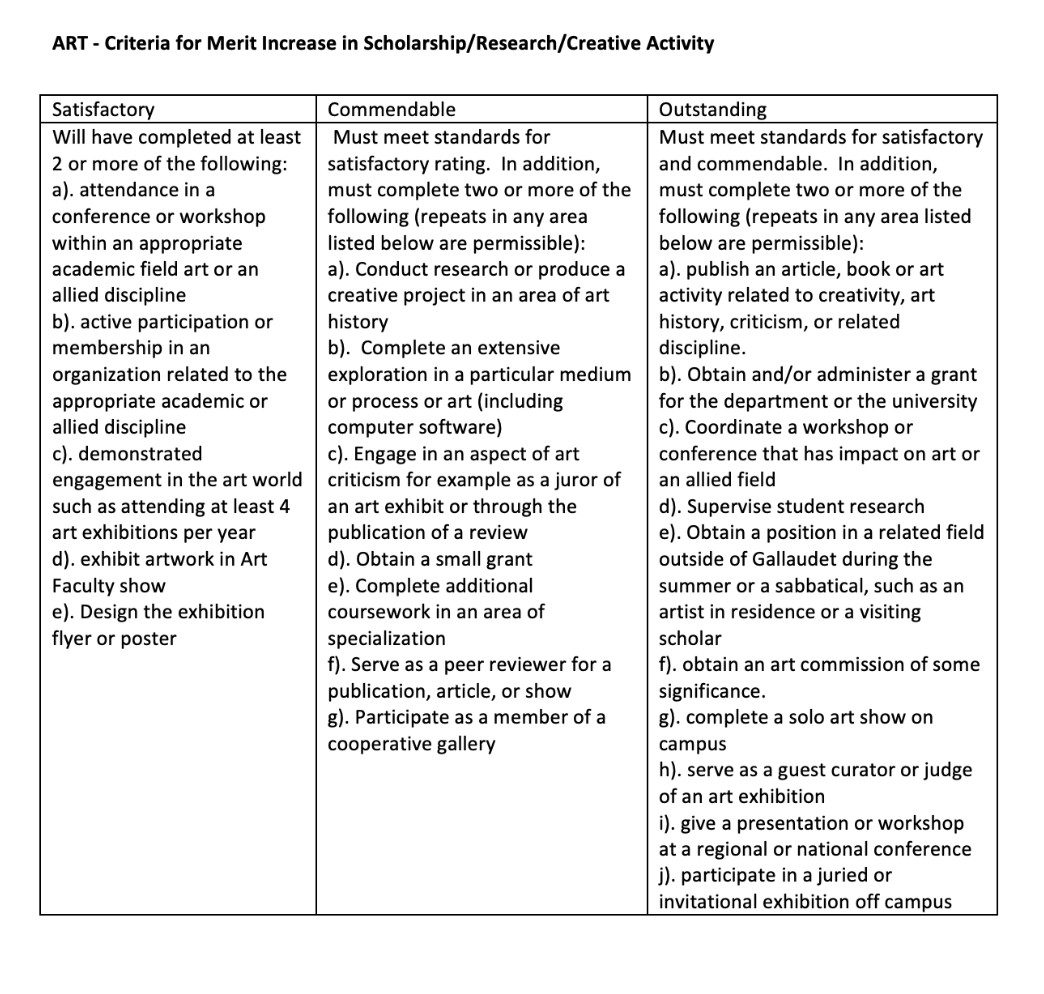
Section III: Scholarship/Creative Activity/Research (SCAR)
A. List of scholarly, creative, research activities conducted during evaluation period:
SPRING 2025
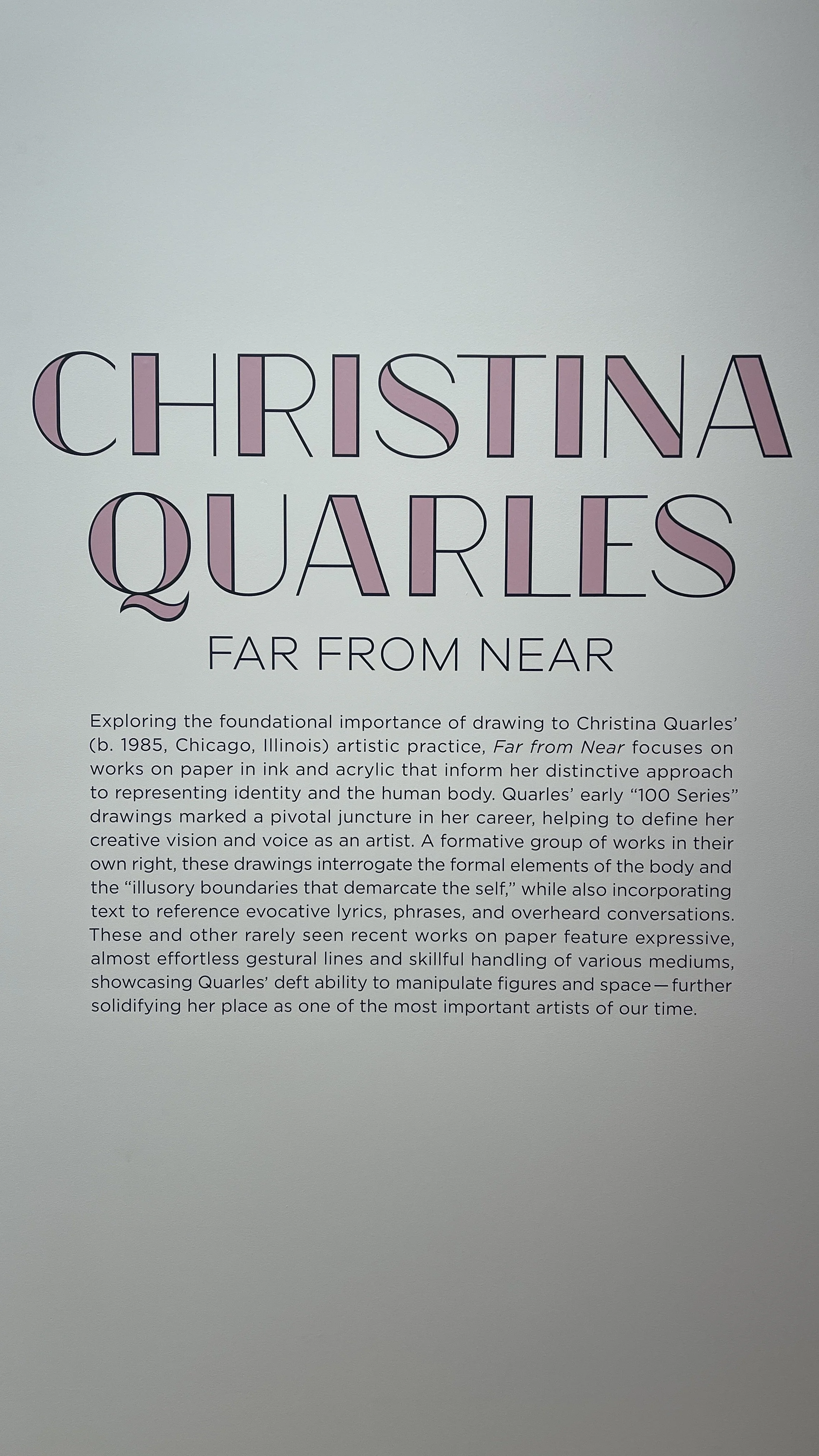
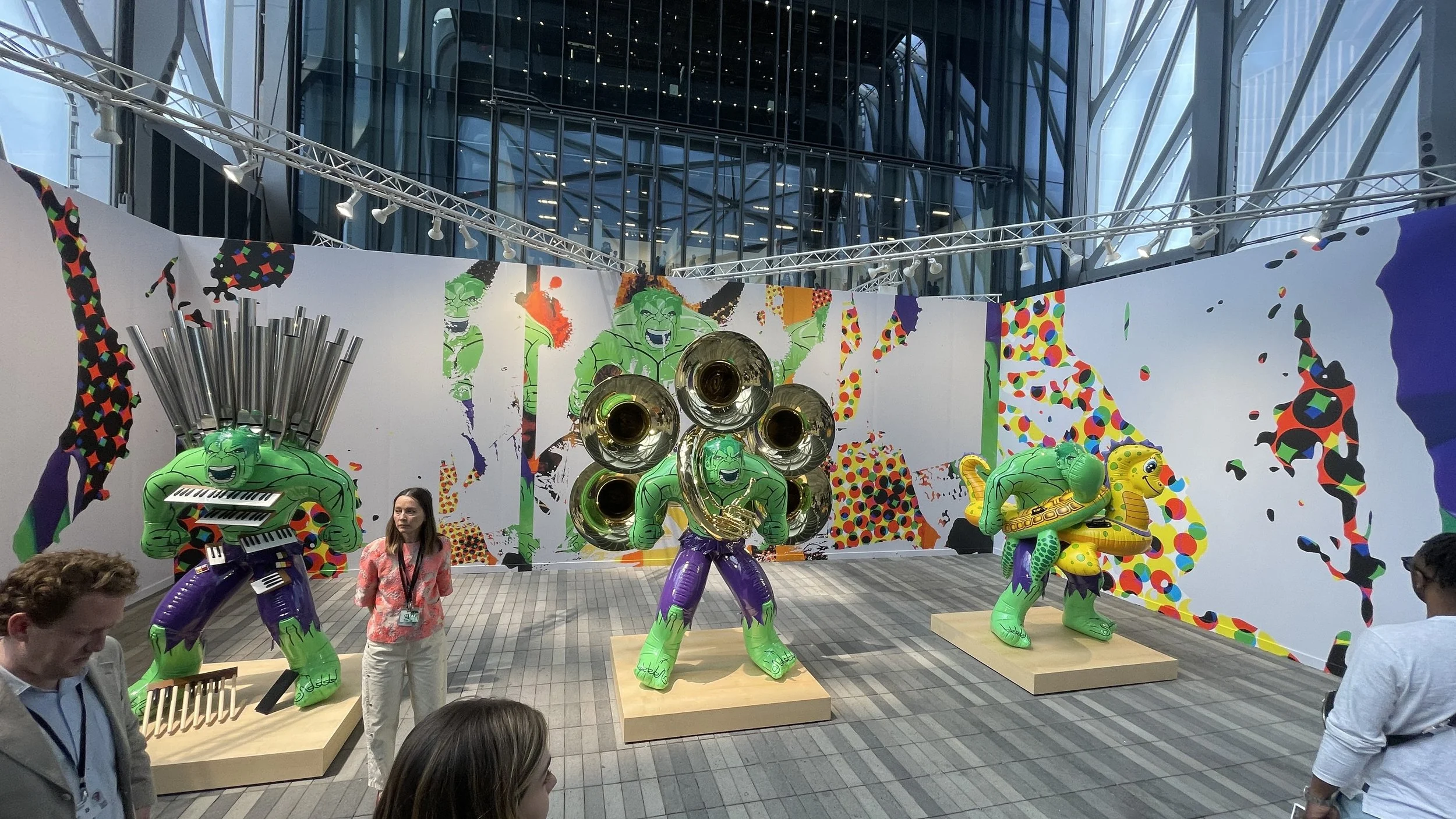
1. Maintained active engagement in the art world through frequent visits to major exhibitions, museums, and art fairs in New York City and Washington, DC., including:
Whitney Museum: Amy Sherald: American Sublime, Christine Sun Kim (NYC)
Pace Gallery: Robert Indiana: The American Dream (NYC)
Rubell Museum: American Vignettes: Symbols, Society, and Satire (Washington, DC)
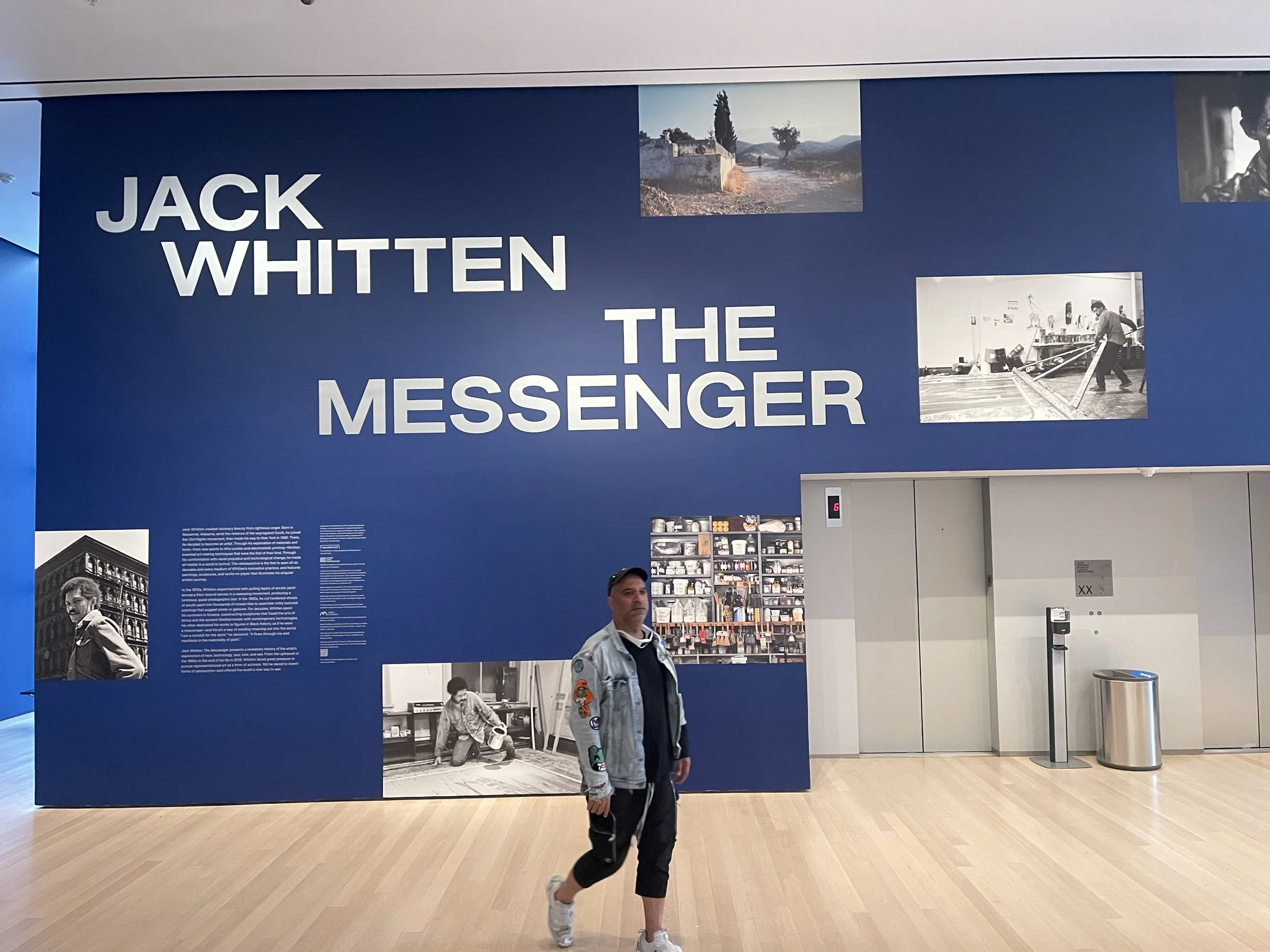
Museum of Modern Art: Jack Whitten: The Messenger (NYC)
Guggenheim Museum: Rashid Johnson: A Poem for Deep Thinkers; Beatriz Milhazes: Rigor and Beauty (NYC)
Frieze Art Fair (NYC)
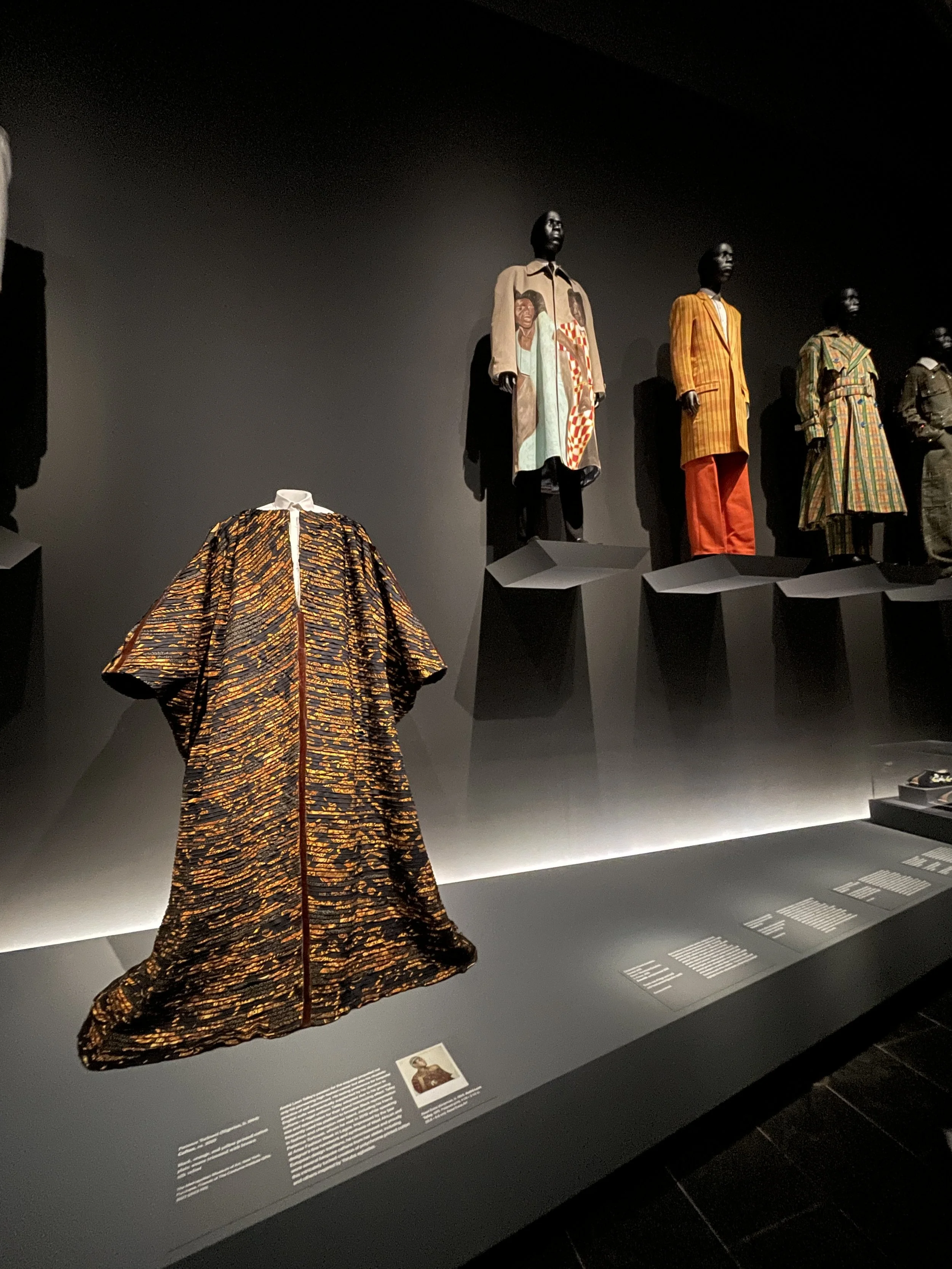
Metropolitan Museum of Art: Monstrous Beauty; Superfine: Tailoring Black Style; Sargent & Paris; Caspar David Friedrich: The Soul of Nature (NYC)
Leslie-Lohman Museum: Resisterhood: Young Joon Kwak; Ficciones Patógenas (NYC)
MoMA PS1: Julien Ceccaldi: Adult Theater; Sandra Poulson; The Gatherers; Love Rules: The Fag Rag Archives of Heather Edney and Richard Berkowitz (NYC)
(S_c)
2. By joining biweekly FLEX seminars and studio critiques at Red Dirt Studio, participated in professional artistic communities. (S_a / S_b)
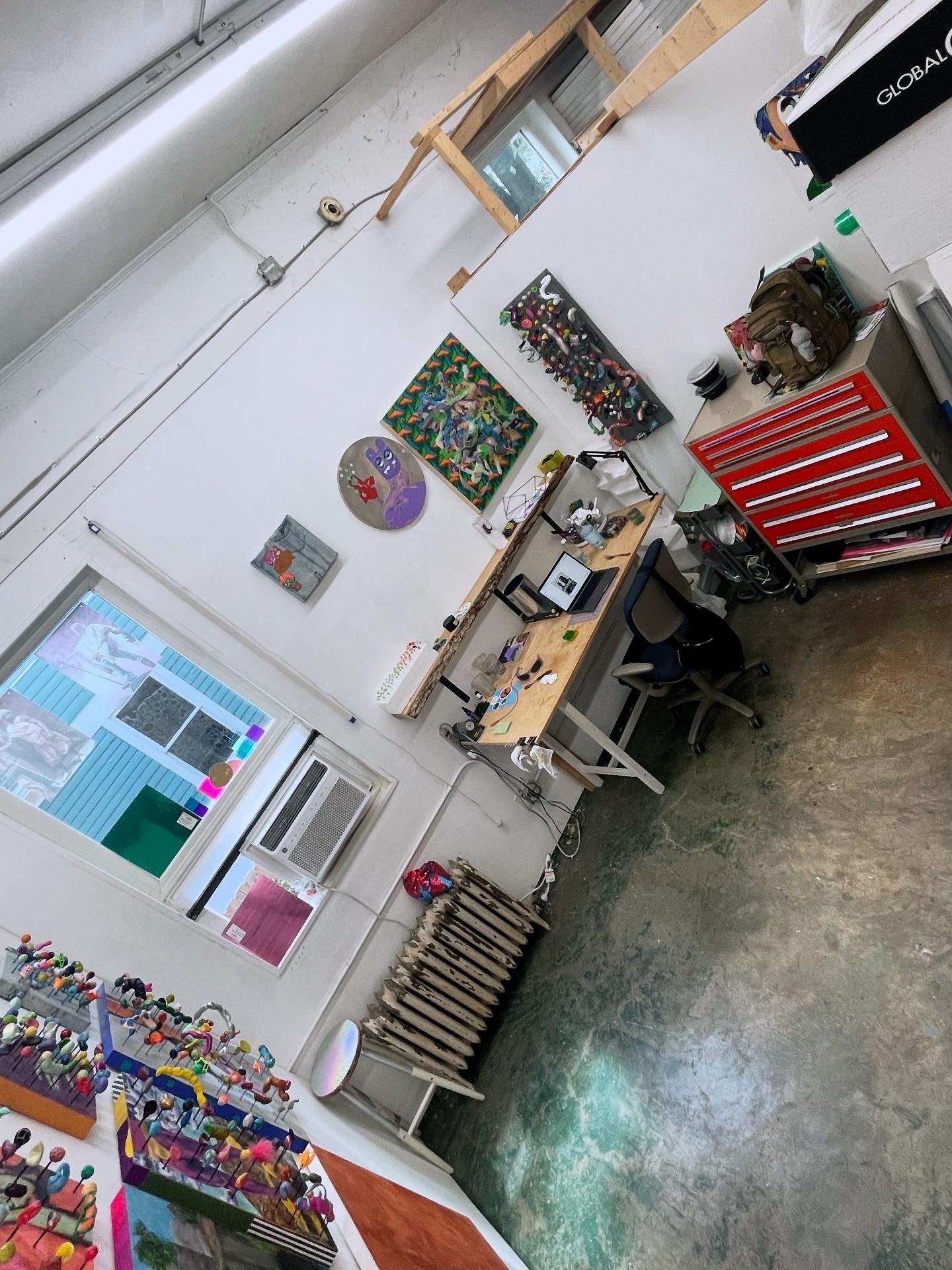
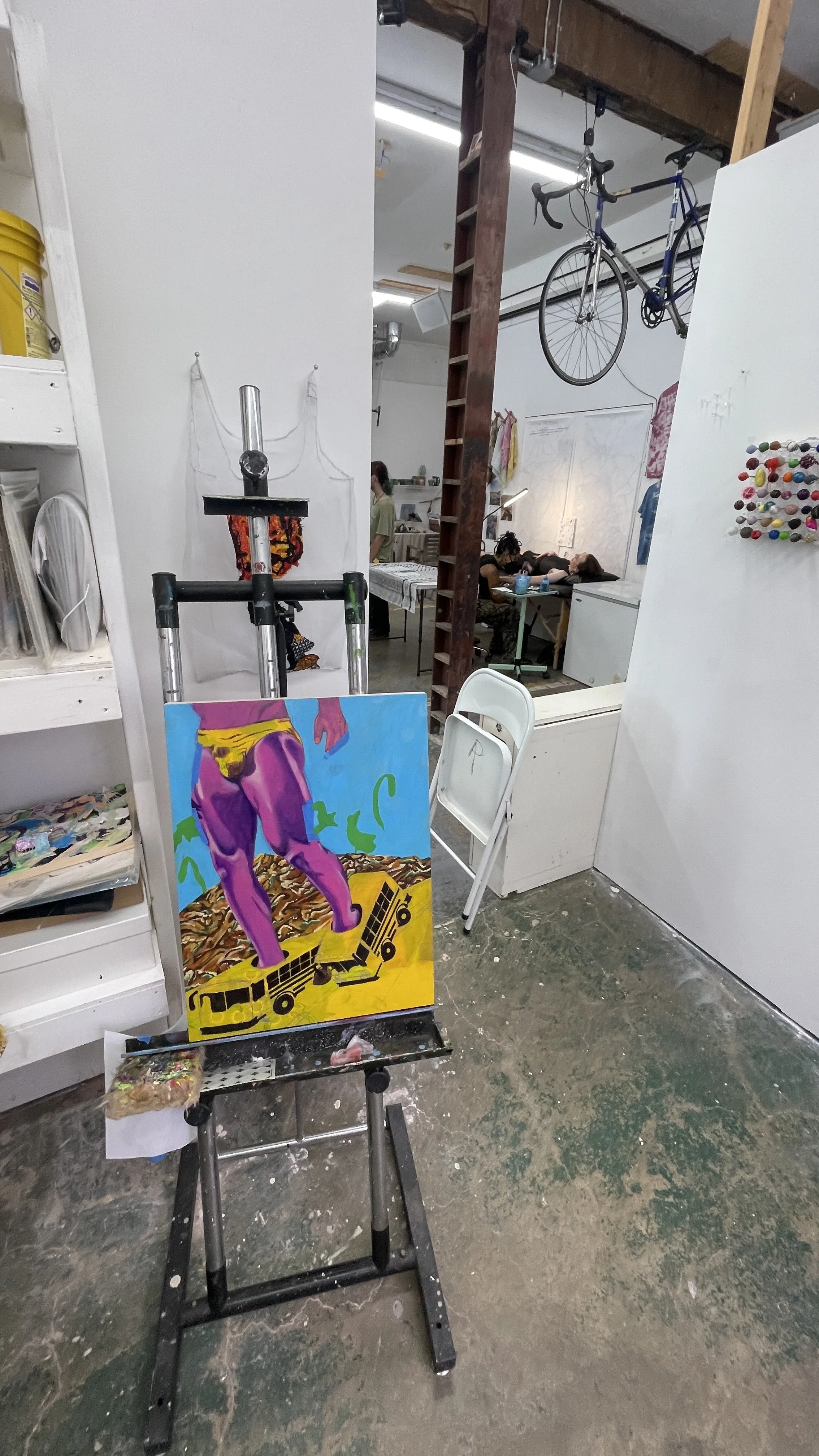
3. Ongoing creative research was pursued through sustained studio practice, generating work grounded in conceptual research and iterative processes. (C_a)
4. Explored and expanded artistic processes by utilizing digital and fabrication tools, such as TinkerCad for CAD modeling, Blender for 3D design, and MakerBot for producing 3D-printed prototypes.
5. Utilized industry-standard creative software: Adobe Photoshop for image editing, Illustrator for vector graphics, Procreate for digital illustration, and CapCut for video editing to develop, edit, and refine artwork across media formats.
6. Engaged in professional networking and dialogue with curators and collectors in the DMV region. Conducted studio visits and presented artwork. (C_c)
7. Developed creative prototypes and instructional models for the DC2 (Discover College and Careers) program. Integrated design, fabrication, and hands-on learning. (C_b / C_c)
8. Conducted research on national and international art and design programs to inform curriculum development and align artistic practice with contemporary industry standards. (C_a)
9. Featured artwork, “Something,” published on the Artsy platform, expanding public visibility and professional dissemination of creative work. (O_a)
10. Maintained a research-driven studio practice at Red Dirt Studio, integrating conceptual development, material exploration, and production into cohesive work. (O_e)
11. Produced original artwork throughout the year and submitted work to residencies, fellowships, exhibition open calls, grants, and gallery opportunities, demonstrating ongoing professional engagement and dissemination of creative research. (O_j)
12. Participated in a structured critique and seminar environment (FLEX + artists' critiques), positioning work within contemporary artistic lessons and advancing professional practice. (O_c)
13. Integrated creative research with teaching and community engagement through applied projects and prototyping, such as in the DC2 program, assignments, and projects (O_c / O_d)
14. Supervised interns and visiting participants in Tinkerlab research projects, providing guidance in creative inquiry, technical processes, and project development. (O_d)
15. Created custom artwork through commissioned projects, demonstrating professional engagement and applied creative practice. (O_f)
FALL 2025
1. Maintained active engagement with international and national art institutions, attending museums, galleries, and cultural sites in Mexico City and Miami, including:
Frida and Diego Vivieron En Esta Casa (Mexico City, Mexico)
König Galerie
Galería Nueva (UxonoGrafía)
Teotihuacan Zona Arqueológica
Museo Nacional de Antropología
Museo Tamayo Arte Contemporáneo
Museo de Arte Moderno
Museo Soumaya
Museo Jumex
Pérez Art Museum, Miami, Florida
Room Service (formerly Motel 6), Washington Dc
Renwick Gallery, State Fair: Growing American Craft, Washington DC
Hirshhorn Museum and Sculpture Garden, Big Things for Big Rooms, Washington DC
(S_c)
2. Engaged with contemporary and historical art discourse through direct observation of exhibitions, collections, and cultural sites, informing ongoing creative research. (S_c)
3. Participated in group exhibition contexts, including:
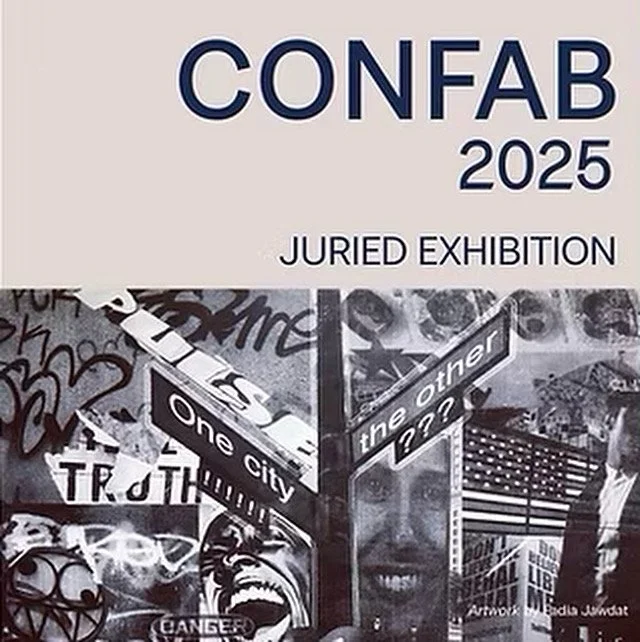
· ConFab Juried Exhibition, Washington Studio School
· Red Dirt Open Studio, Red Dirt Studio
(C_c / O_j)
4. Developed and installed sculptural work in a public-facing context at the Washburn Art Center, applying technical, material, and logistical expertise in installation practices. (C_b / C_c)
5. Applied specialized knowledge in sculpture to teaching practice (ART 360), integrating material processes, structural techniques, and installation planning into course instruction. (C_b)
6. Designed and produced visual materials (posters/flyers) for Open Studio events and course presentations (ART 490, ART 360), supporting public engagement and exhibition visibility. (C_b)
7. Documented and digitally refined artwork through photography and editing, supporting professional presentation and dissemination of creative work. (O_c)
8. Integrated international research experiences (Mexico City, Miami) into artistic practice, engaging with diverse cultural, historical, and contemporary perspectives. (O_c)
9. Conducted research on national and international art and design programs, applying findings to curriculum development for the Art + Visual Communication Design program, aligning artistic practice with academic and industry standards. (O_c)
10. Developed cohesive bodies of work grounded in research, conceptual inquiry, and iterative making processes, reflecting a sustained commitment to creative scholarship. (O_e)
11. Independently invested in studio production, including purchasing materials, canvases, and supplies, and dedicating extensive time to the creation, documentation, and digital presentation of artwork. (O_e)
12. Participated in juried and public exhibition platforms, including the ConFab juried show, demonstrating professional-level artistic dissemination. (O_j)
13. Sustained an active and evolving studio practice, producing original artwork throughout the year and submitting work to residencies, fellowships, exhibition open calls, grants, and gallery opportunities. (O_j)
During the 2025 evaluation period, Professor Mava maintained a research-driven artistic practice that blended conceptual inquiry, material exploration, technical experimentation, pedagogy, and professional engagement within contemporary art discourse. His scholarship and creative activity reflect an evolving, cohesive body of work grounded in continuous experimentation, critical reflection, and interdisciplinary methods.
Throughout the year, Professor Mava sustained an active studio practice at Red Dirt Studio in Mount Rainier, Maryland, where he invested in resources to support the development and expansion of his creative work. This studio environment fostered artistic growth through biweekly FLEX seminars, peer critique sessions, and ongoing dialogue with an engaged artist community. These experiences contributed to the refinement of his visual language, material processes, and conceptual direction.
Professor Mava’s creative research integrates traditional, digital, and sculptural methods. He explored fabrication processes through TinkerCad, Blender, and MakerBot, developing 3D models and deepening his understanding of digital-to-physical workflows. He also used Adobe Photoshop, Illustrator, Procreate, and CapCut to expand his creative production across multiple media. This integration demonstrates a strong commitment to technical fluency, experimentation, and interdisciplinary practice.
His engagement with the broader art world remained consistent and intentional. Professor Mava attended major exhibitions and art fairs in New York City and Washington, DC, including the Whitney Museum, the Museum of Modern Art, the Guggenheim Museum, the Metropolitan Museum of Art, MoMA PS1, and Frieze Art Fair. These professional experiences informed his understanding of contemporary artistic practices, curatorial strategies, material approaches, and evolving cultural narratives. They directly influenced his studio research, production, and broader engagement with contemporary art.
Professor Mava also actively positioned his work within professional contexts by submitting artwork to residencies, fellowships, exhibition open calls, grants, and gallery opportunities. These efforts demonstrate his ongoing engagement with external review, professional visibility, and the broader circulation of his creative practice. In addition, he engaged directly with curators and collectors in the DMV region through studio visits and presentations, expanding his professional network and increasing visibility for his work.
His creative research also intersects meaningfully with pedagogy and community engagement. Through his work with the DC2: Discover College and Careers program, Professor Mava translated his studio practice into applied learning experiences by designing templates, prototyping three-dimensional forms, and introducing students to contemporary design practices. These prototypes and instructional models helped students connect conceptual thinking with hands-on making. Students responded positively, demonstrating increased confidence with digital tools, stronger engagement in collaborative projects, and measurable gains in participation and project completion.
In addition to his studio-based research, Professor Mava conducted research on national and international art and design programs. These investigations informed curriculum development for the Art + Visual Communication Design program and supported the alignment of artistic practice, education, accessibility, and industry standards. This work reflects a broader commitment to connecting creative research with program innovation and institutional growth.
During the Fall 2025 evaluation period, at the request of the Provost and Dean, Professor Mava underwent a strategic reassignment of service responsibilities. This included the temporary closure of the Tinkerlab and the temporary transition of Gallery Coordinator duties to Art, Culture, and Engagement. This reallocation allowed him to focus on the high-priority institutional initiative of transforming the Art program into the Art + Visual Communication Design program. His contributions during this period exceeded expectations through sustained leadership, collaboration, documentation, and strategic program development.
At the Satisfactory level, Professor Mava fulfilled service responsibilities by actively engaging in departmental and institutional operations. He regularly attended and contributed to Art & Media Design program transformation meetings and Curriculum Advisory Board meetings, supporting the development of a revised program structure. He collaborated with the Program Chair to identify, organize, and coordinate materials, supplies, and equipment aligned with program needs. He also participated in meetings of the School of Art and Humanities and contributed to Professional Development Week, demonstrating continued commitment to departmental and university-wide initiatives.
At the Commendable level, Professor Mava expanded his service through institutional committees and community leadership. As an active member of the Faculty of Color Coalition, he contributed to advancing equity, representation, and community engagement across campus. By serving as Master of Ceremonies for the FOCC Annual Honors and Recognition Celebration, he provided visible leadership, supported faculty recognition, and strengthened campus connections.
At the Outstanding level, Professor Mava demonstrated significant leadership and institutional impact through governance, program development, and strategic initiatives. He served as the primary notetaker for Curriculum Advisory Board and program transformation meetings, ensuring clear documentation, accessible information, and continuity among stakeholders and working groups. He also served on the FOCC Leadership Council and a FOCC subcommittee, where he helped shape strategy and support initiatives. In addition, he represented FOCC on the University Council, contributing to university-wide dialogue and shared governance.
Professor Mava also served as a Faculty Governance Senator representing the Faculty of Color Coalition. This role strengthened his participation in shared governance and institutional advocacy. Through these responsibilities, he contributed to policy discussions, advanced faculty representation, and supported inclusive practices across the university.
Overall, Professor Mava’s 2025 scholarship, creative activity, and service demonstrate a strong connection between artistic research, technical innovation, pedagogy, program transformation, and institutional leadership. His work progressed from active participation to visible leadership, showing initiative, professional engagement, and measurable impact at both departmental and institutional levels. This body of work supports an Outstanding rating in scholarship, creative activity, and service.